




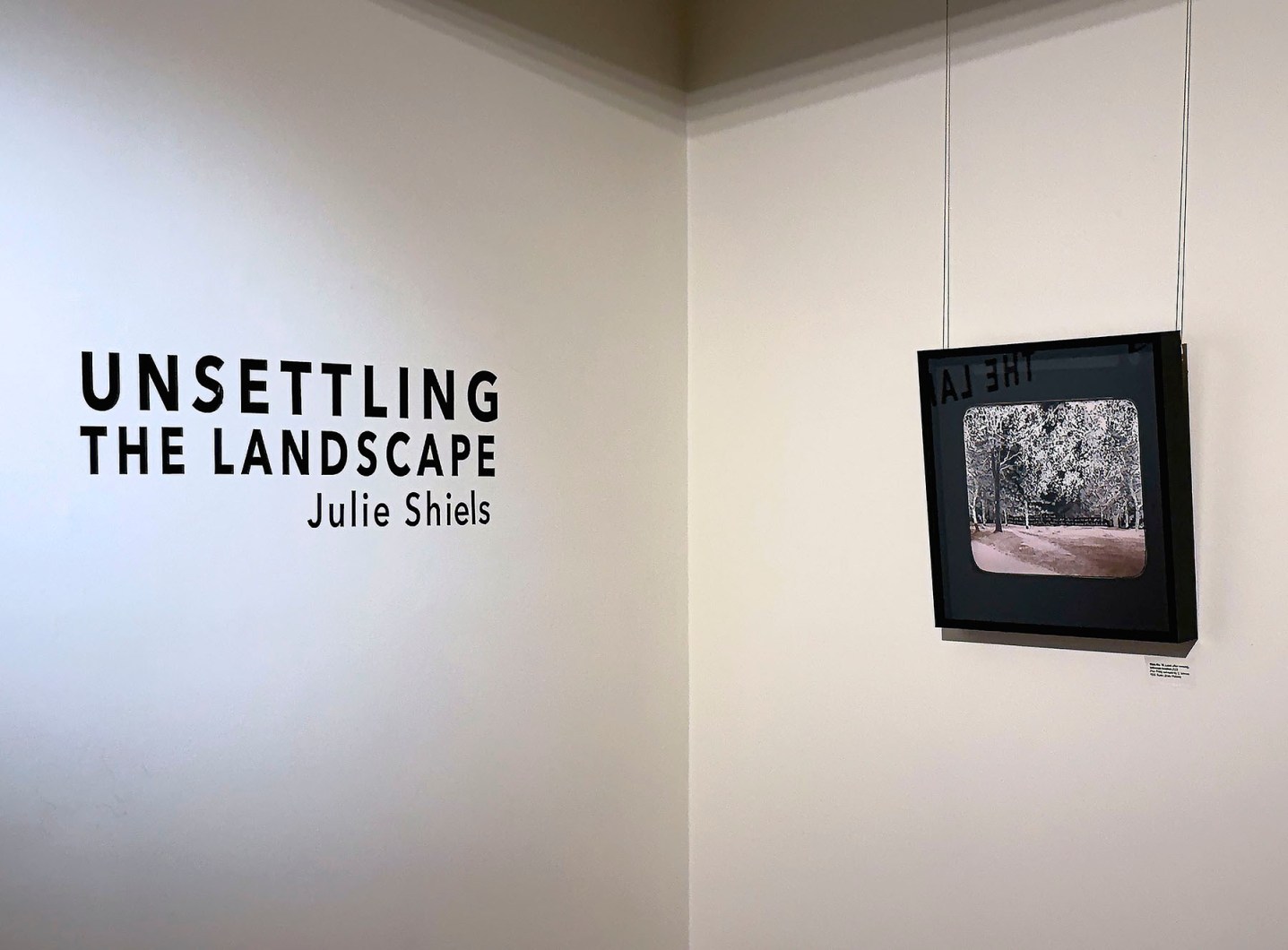

20 August to 14 September, 2025
City Library Gallery, Melbourne
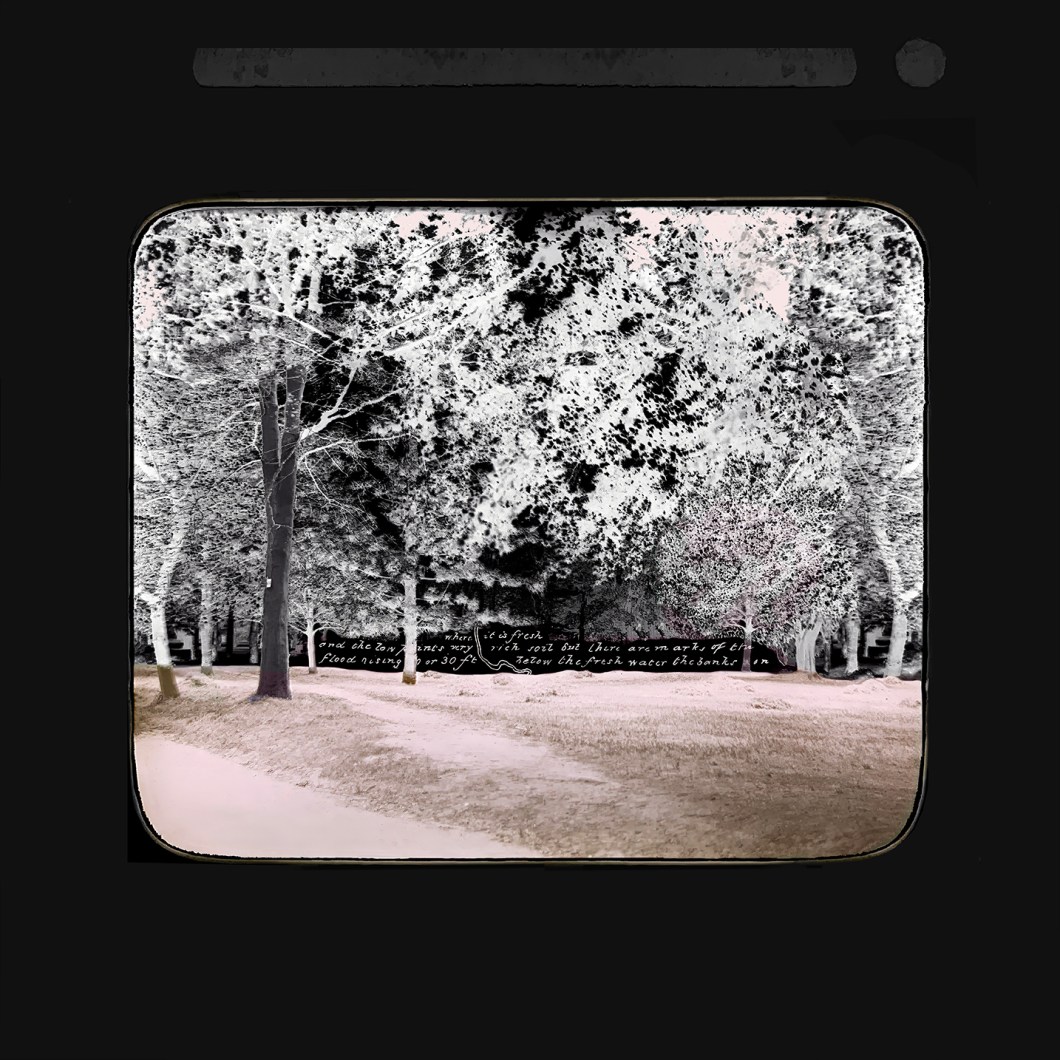
Title list for Unsettling the landscape: Planting Plan
I live in the heart of Melbourne. As a 5th generation Australian of Irish and German descent, I wanted to better understand the history of this city and the land on which it sits, land that was never ceded by its traditional owners, the Wurundjeri people of the Eastern Kulin Nation.
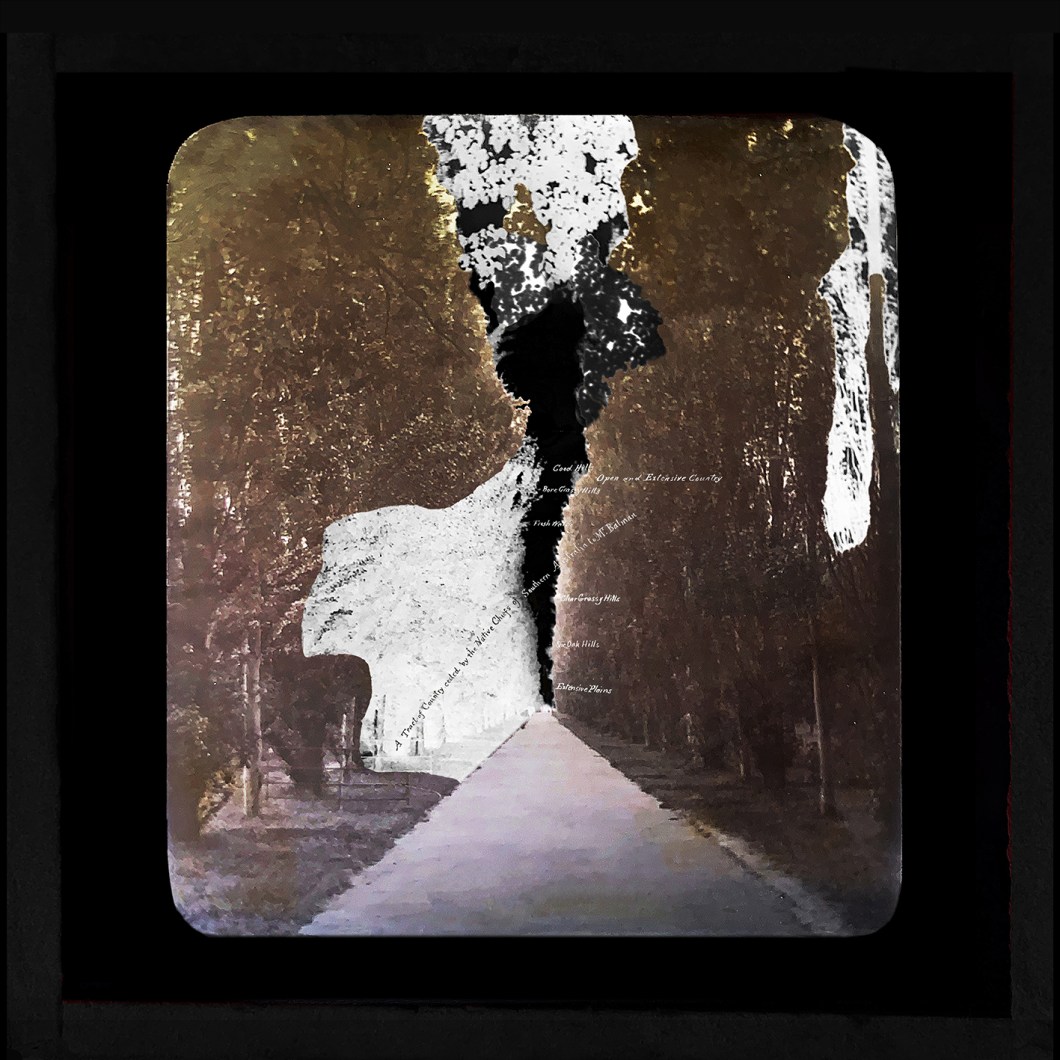
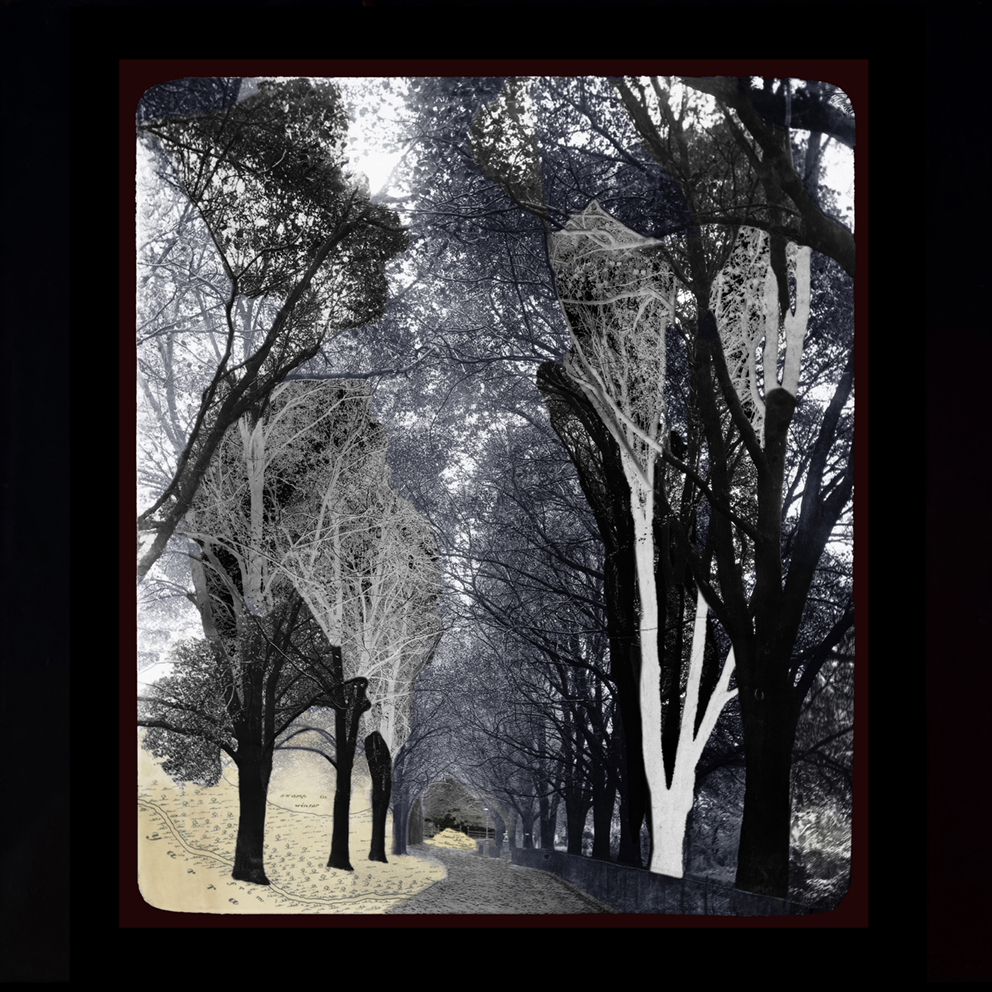
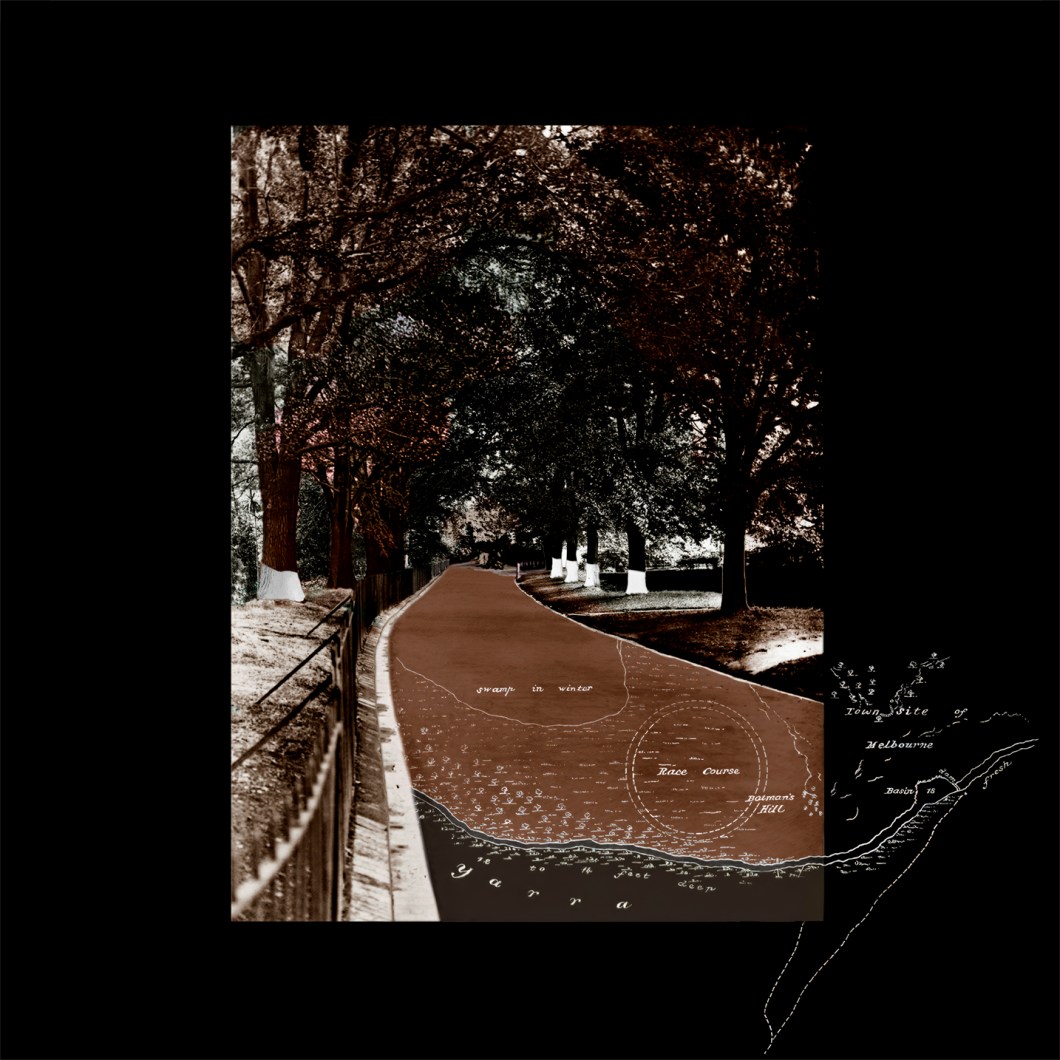
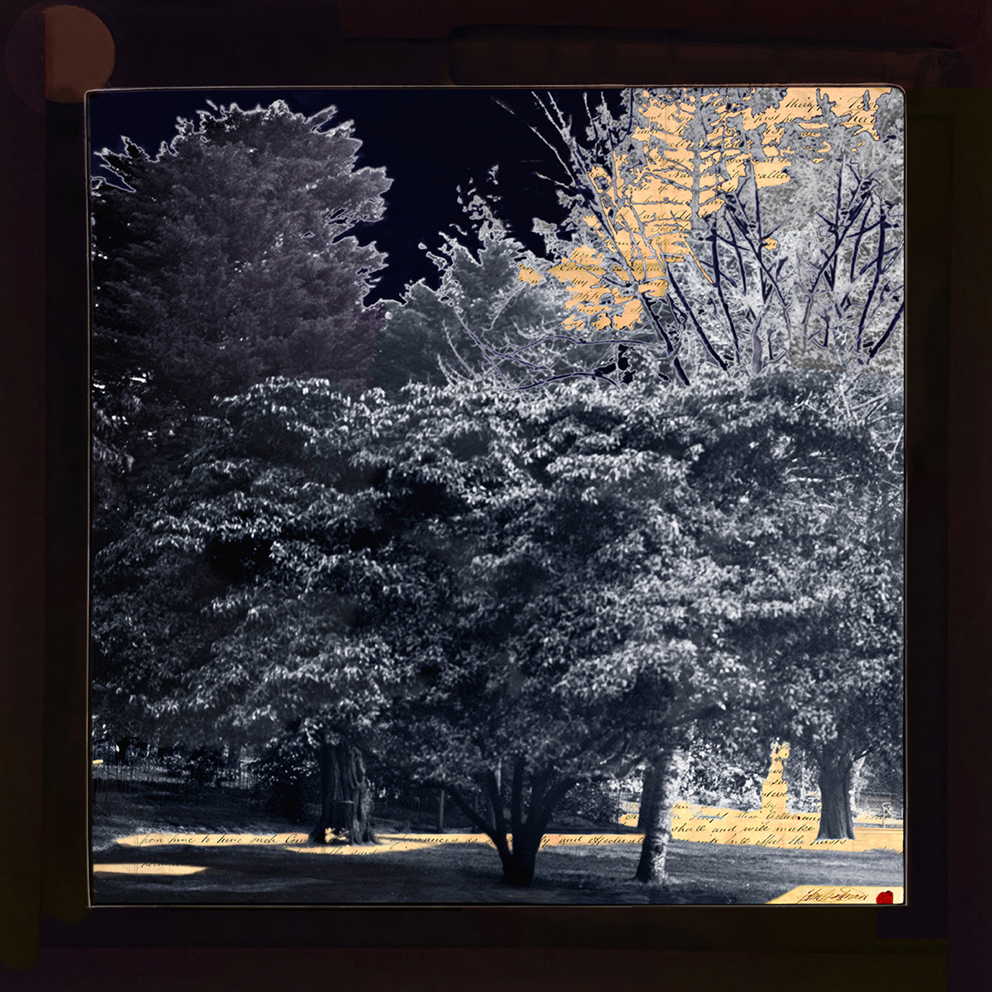
An artist’s residency generously provided by the City of Melbourne in 2023 gave me the opportunity to explore the City’s Art and Cultural Collection and pursue this question. During my research, I encountered an enigmatic collection of glass lantern slides of Melbourne parks and other unknown spaces. It is believed the horticulturist, landscape architect and writer Bogue Luffman used these images in formal lectures and in his role as the Principle of Burnley Agricultural College.
While the precise narrative attending the Luffman slides has been lost, the slides nonetheless confirm and extend the aesthetic aspirations of earlier colonisers to shape the land to make it familiar and homely.
Unsettling the landscape reflects on how settler-coloniser attitudes towards the pre-contact landscape helped legitimise the dispossession of Aboriginal land. Perceiving pre-contact landscape as an unhomely wasteland, settler-colonisers rapidly converted the area around the Birrarung or Yarra River into a facsimile of their home country.
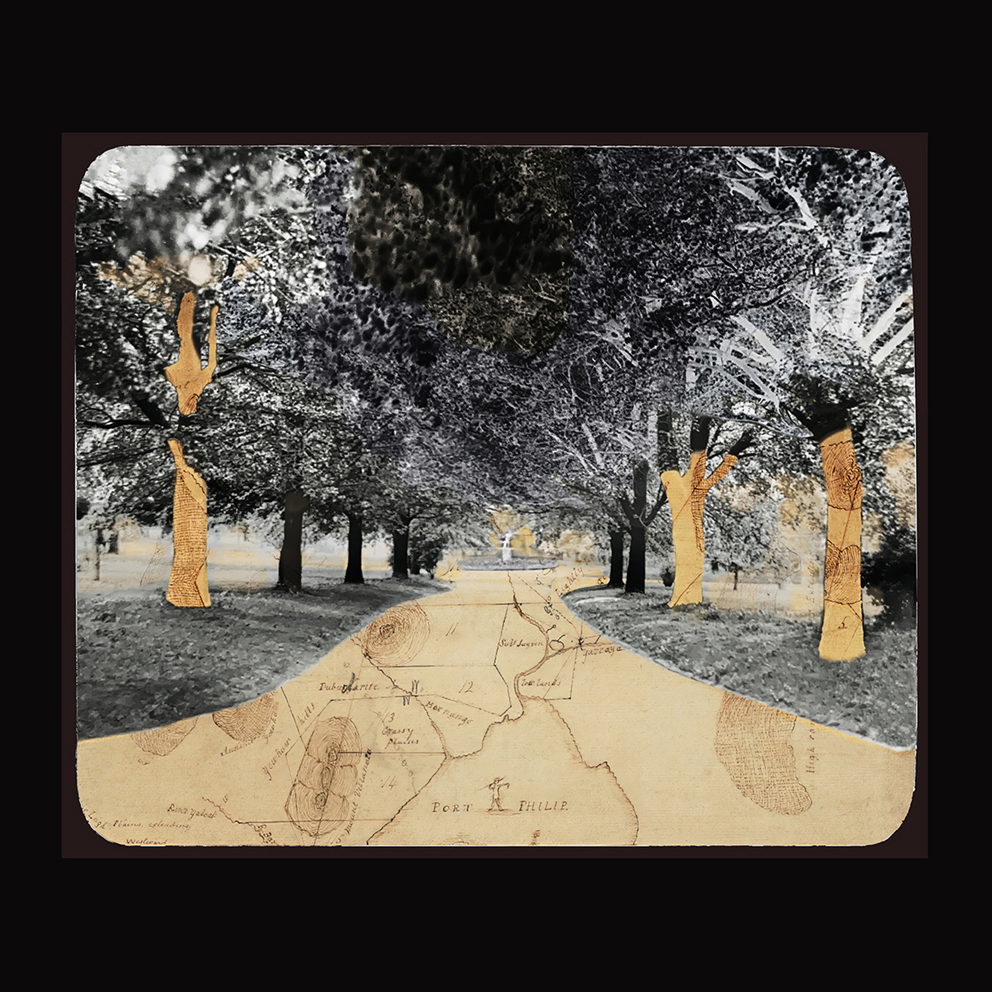
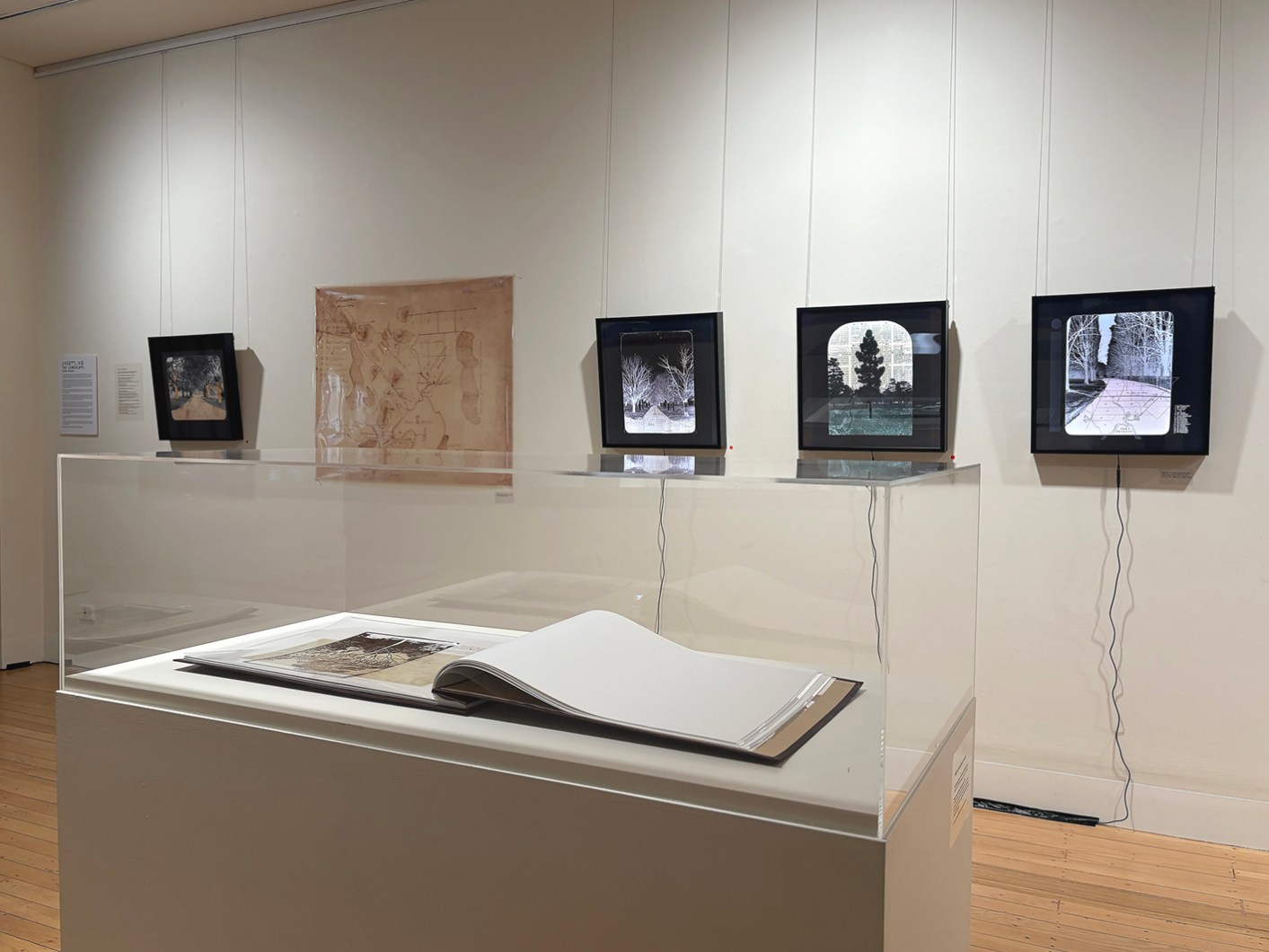
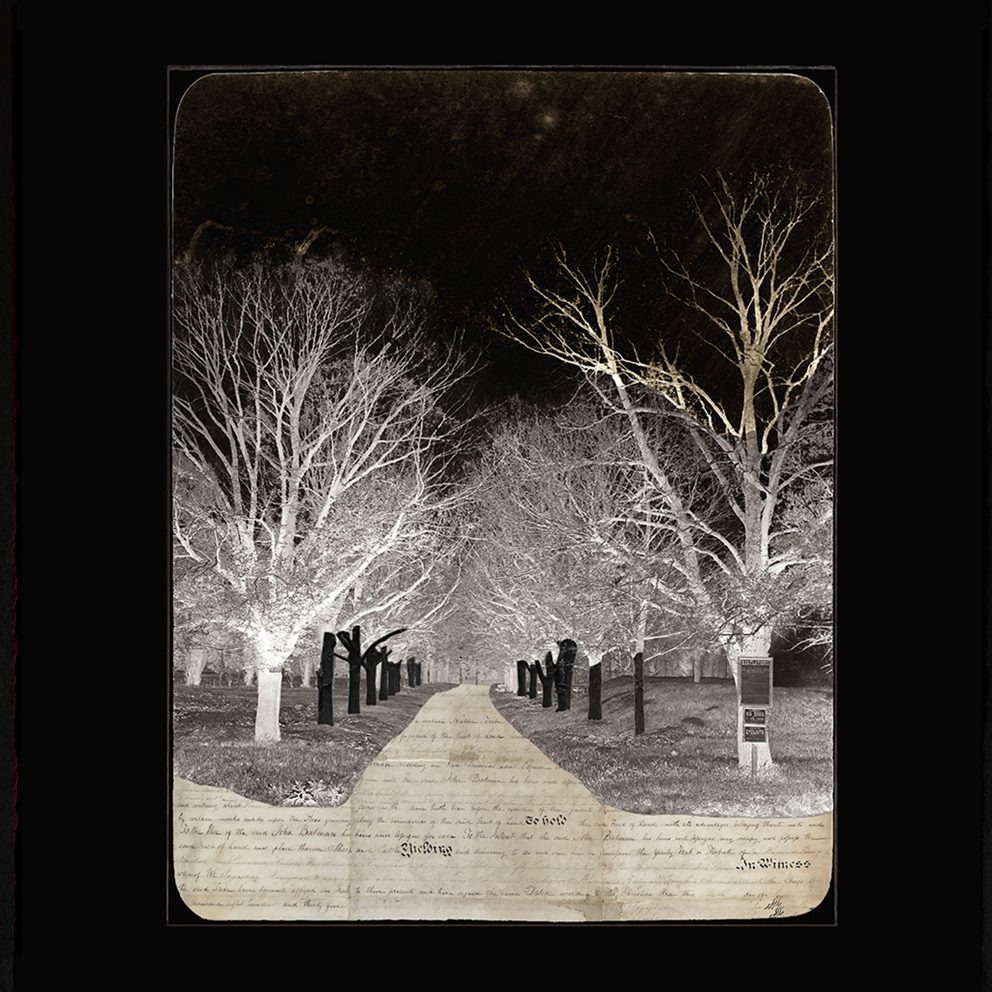
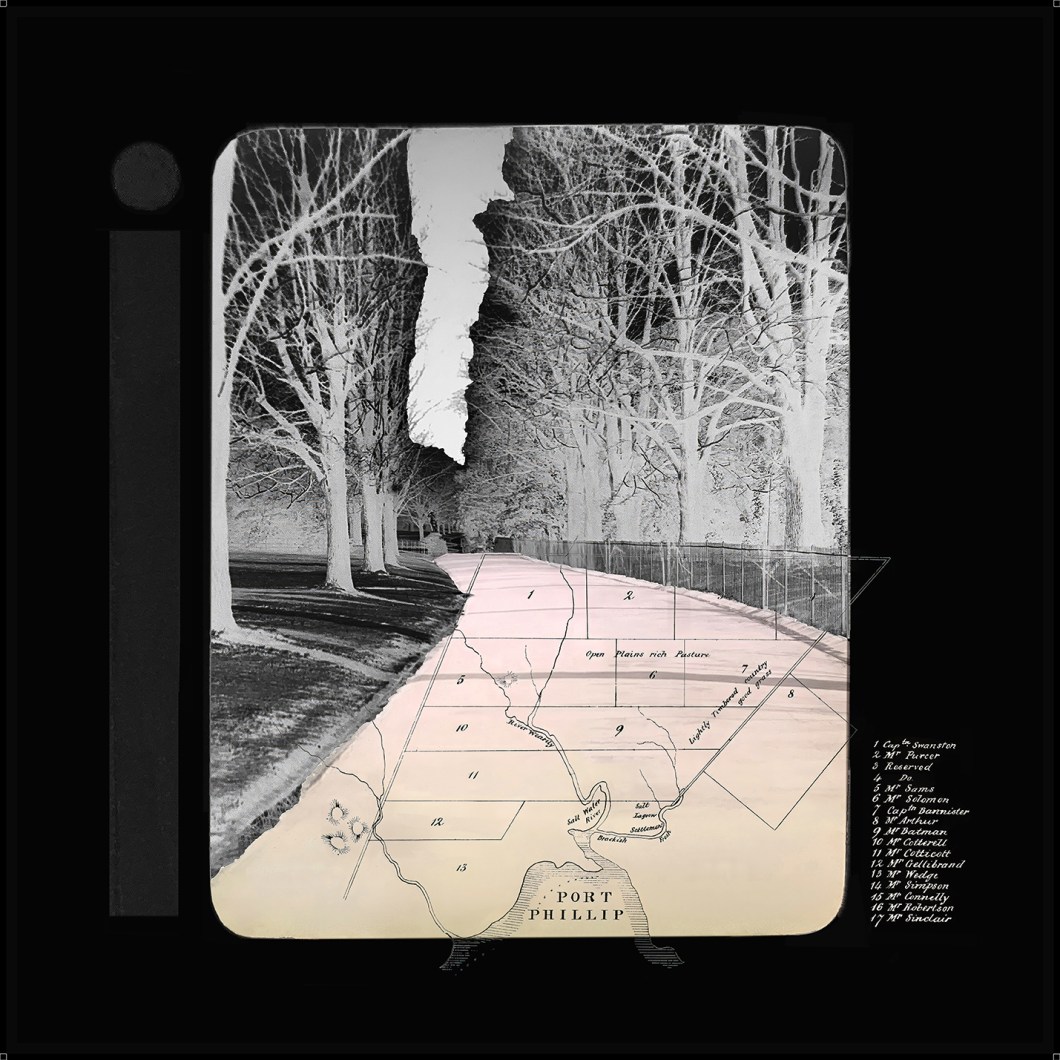
This exhibition of prints reframes the Bogue Luffman slides of European style parks, by visually fracturing the images and layering them over early maps and historical documents. The language and archival documents provide an insight into the coloniser mindset and combined with the manipulated slides suggest an unsettled and haunted terrain.
Unsettling the landscape invites an engagement with the city’s overlooked and unresolved histories. First Nation Peoples should not bear the full burden of interrogating our past. Descendants of the settler-colonisers also have a role in questioning how the land they inhabit was taken and reshaped.
I hope this exhibition contributes to the essential work of truth telling and prompts residents and visitors to the library to consider the history of the unceded lands on which we live and work.
This exhibition is located on Wurundjeri Woi-wurrung Country.